Services
We build the system you need
Custom drones, electronics, IoT instruments, software and AI — engineered for your mission and delivered as a working system.
What we do
Projects, not parts
We are engineers who build unmanned systems end to end — airframe, electronics, firmware, software and autonomy. The same team takes on projects for customers who need something that does not exist yet.
Pick the subject closest to your project below. Each one goes straight to a short form; tell us what you want to build and we will come back with what it takes.
Custom drone design
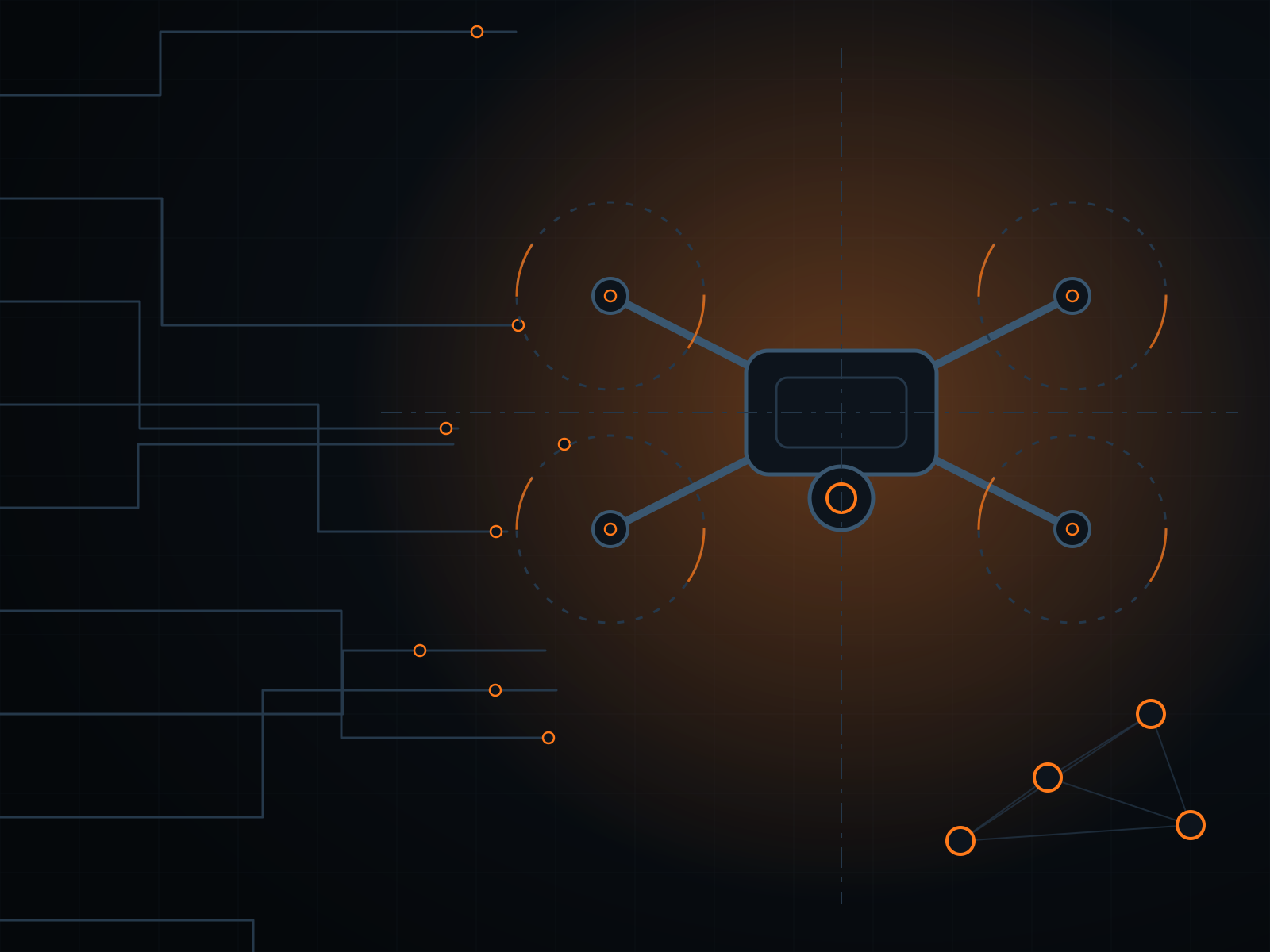
A drone built for your mission, not adapted to it
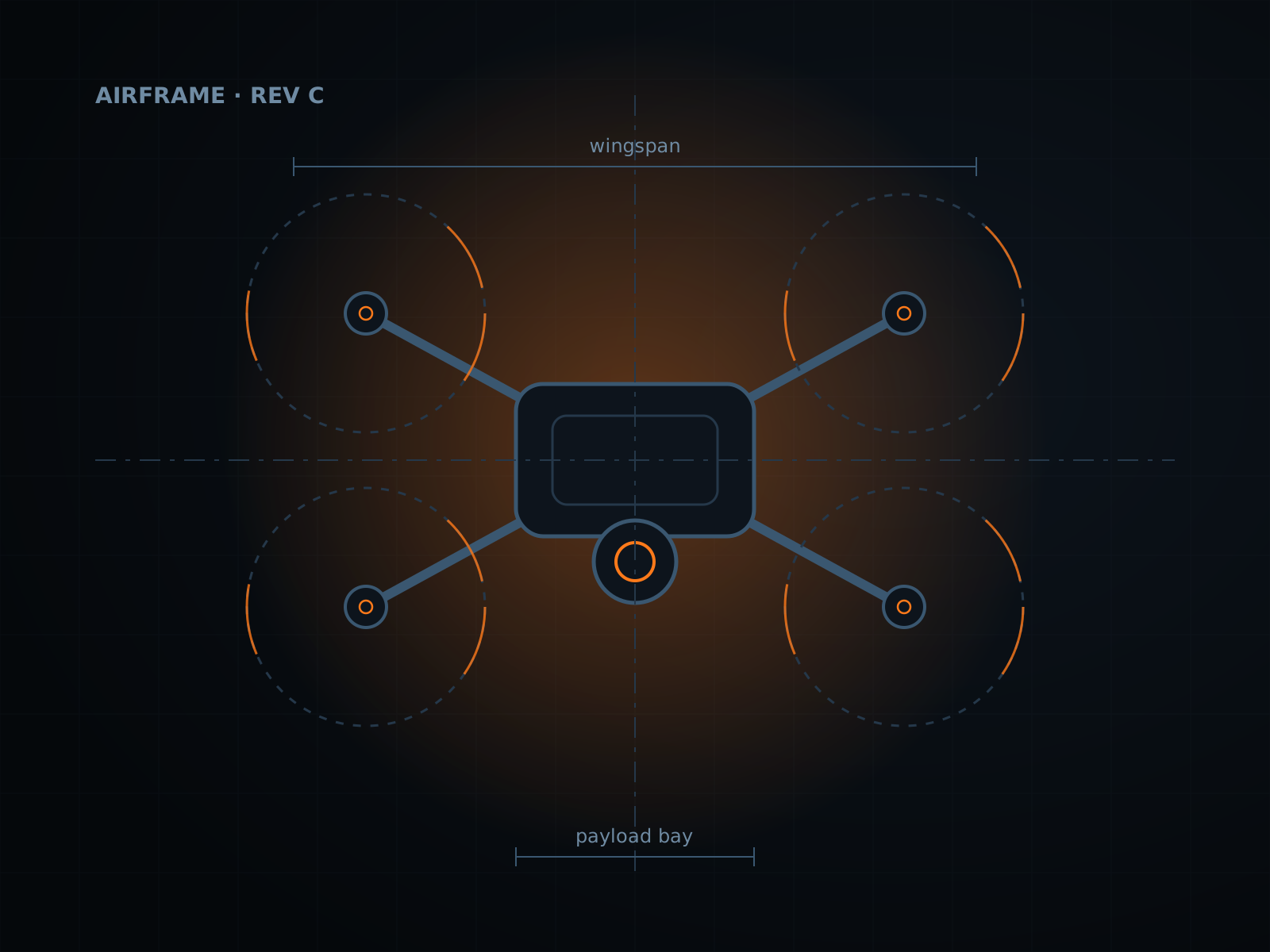
Payload, endurance, range and the conditions it has to fly in decide the airframe — so we start from those rather than from a catalogue. We design the structure, propulsion and avionics together, fly a prototype, and iterate until the numbers hold in the field and not only on paper.
- Airframe: fixed-wing, multirotor or hybrid VTOL, sized around your payload
- Propulsion and power budget, endurance and range figures we stand behind
- Avionics, flight controller and sensor integration
- Ground station, data links and the operating procedure that goes with them
- Flight testing, and the documentation you need for qualification
We build sovereign systems in-house, which is exactly why a one-off is possible: every layer is ours to change.
Custom electronics
Boards designed around the job they have to do
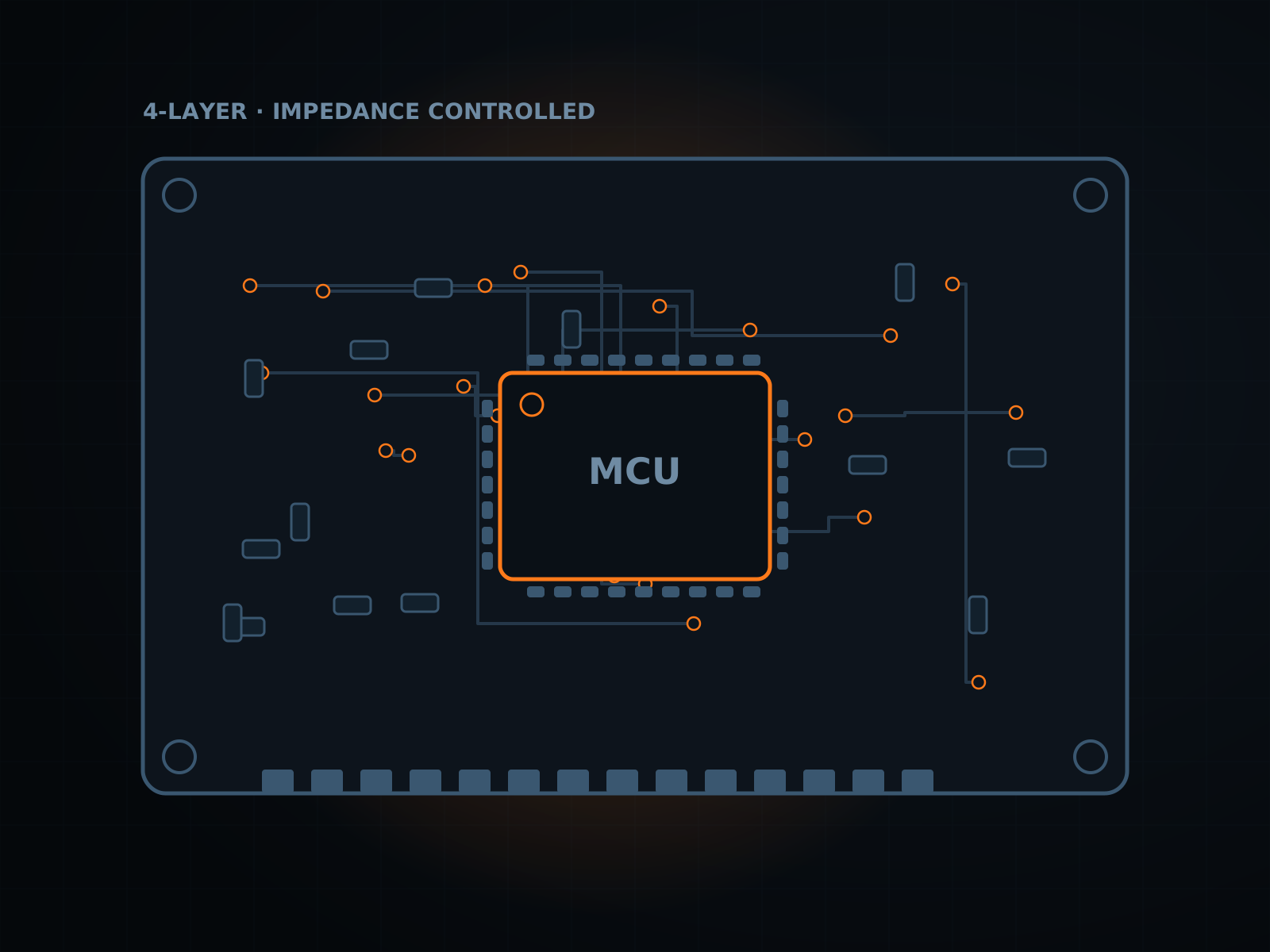
Most integration problems are electronics problems. We design the board — schematic, layout, firmware — and hand over something that has been measured, not assumed: current draw, thermal behaviour, signal integrity and EMC before it goes anywhere near production.
- Schematic and multi-layer layout, impedance control where it matters
- STM32 and RP2040 firmware, drivers and bootloaders
- CAN, DroneCAN/UAVCAN, RS-485, SPI, I²C, LoRa, and RC links such as CRSF/ExpressLRS
- Power electronics, battery management and protection
- Bring-up, bench measurement, EMC pre-compliance and production test jigs
You get the sources, not a black box: schematics, layout, firmware and test results.
Custom IoT
Instruments that report from where the work happens
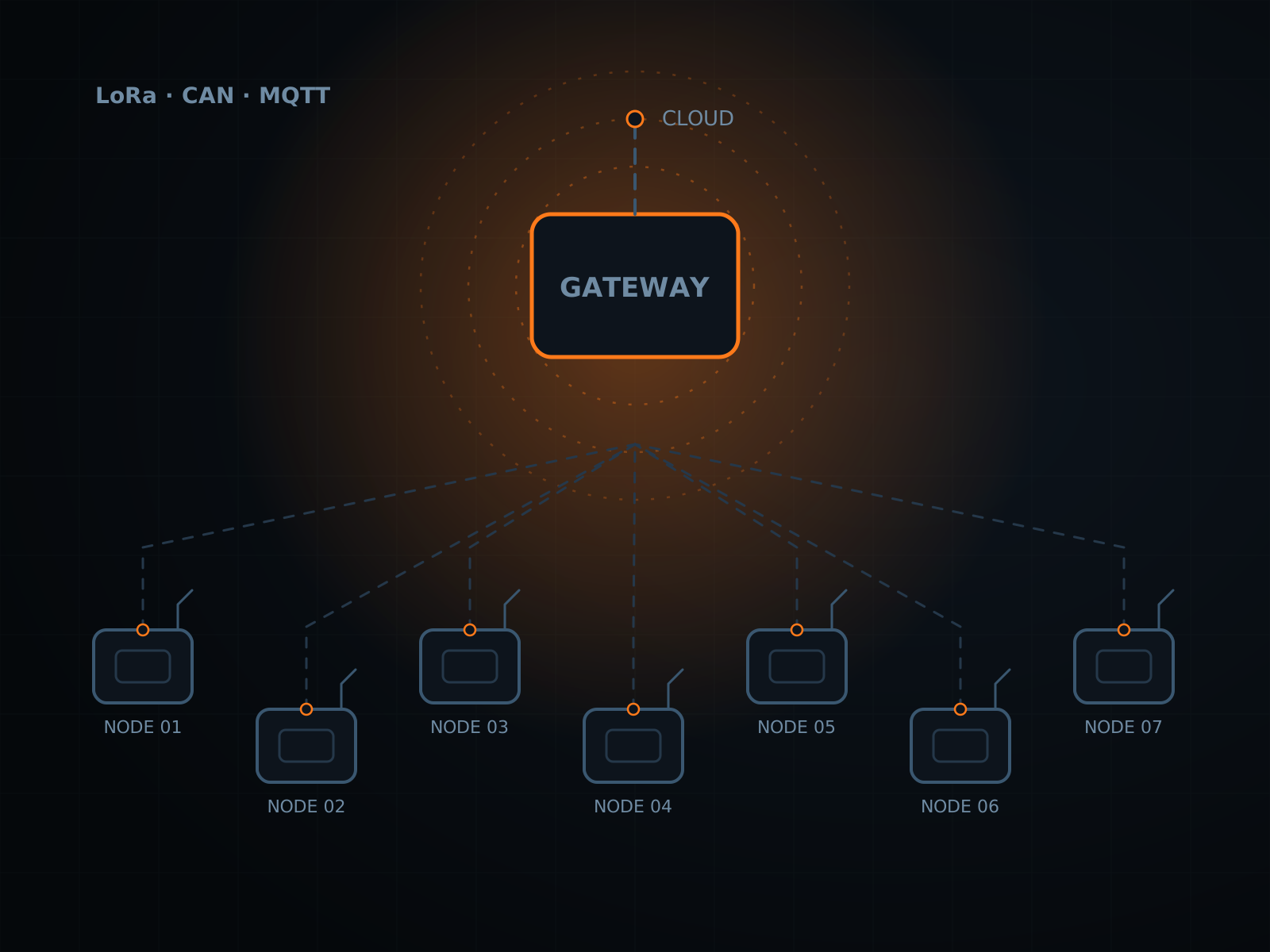
A sensor is easy; a fleet of them in the field for years is not. We build the node, the gateway and the software behind them as one thing, so that power budget, radio range and what you actually want to see on a screen are decided together.
- Sensor nodes: low power, ruggedised, months to years on a battery
- Radio that suits the site — LoRa, cellular, Wi-Fi, wired CAN or RS-485
- Gateways, MQTT, and the ingestion behind them
- Dashboards, alerting, and an API so the data reaches your own systems
- Provisioning, over-the-air updates and fleet management from day one
We would rather tell you a site needs three nodes than sell you thirty.
Custom software
The software that makes the hardware worth having
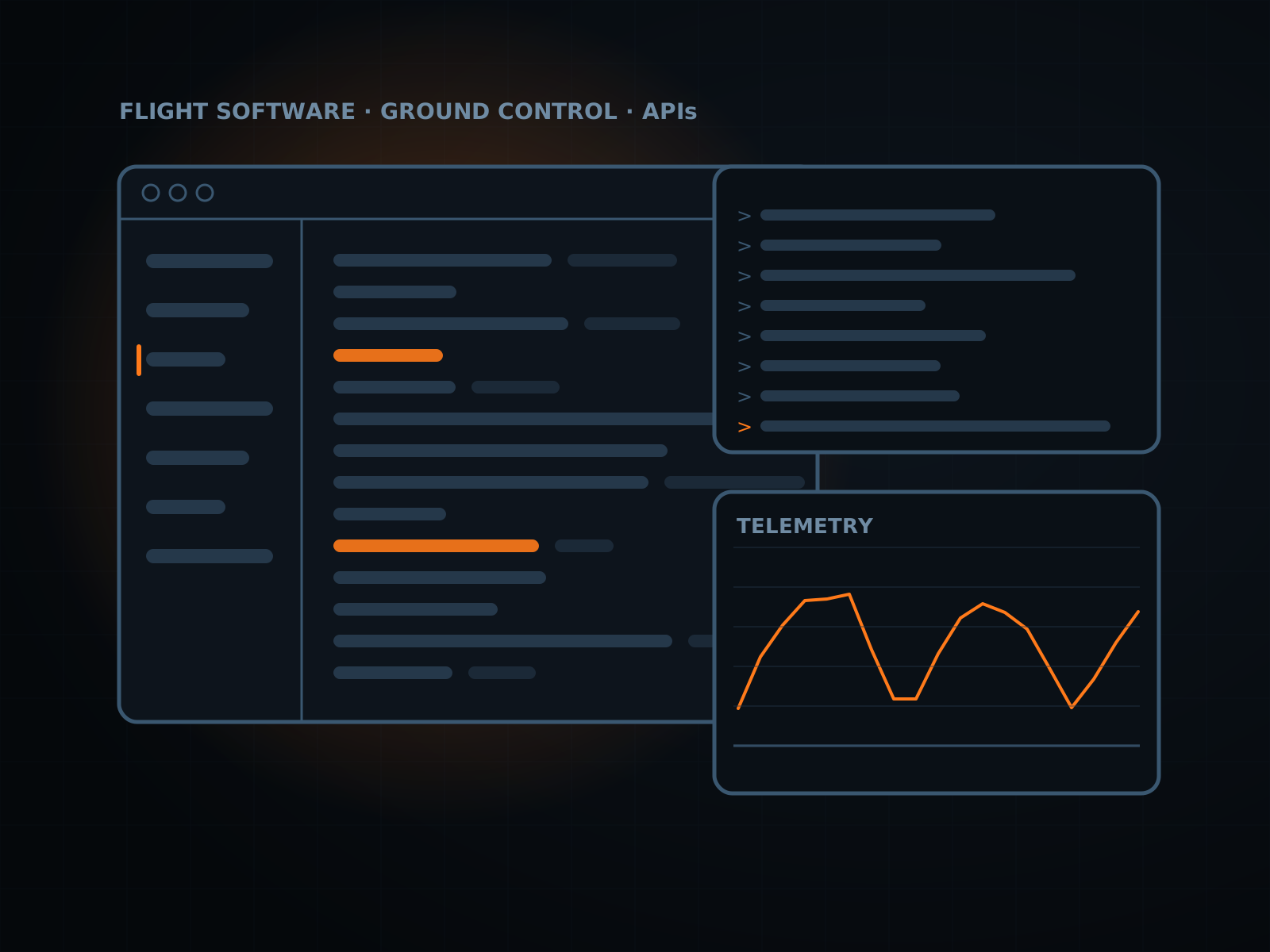
Control applications, ground stations, simulation and the integrations between them — including the unglamorous part where your new system has to talk to the ones you already run.
- Ground control and mission planning, desktop or web
- Real-time telemetry, video pipelines and recording
- Simulation for development, testing and operator training, including Unreal Engine
- Integration with your ERP, CRM or fleet systems, through APIs that are documented
- Data processing: photogrammetry, mapping, reporting
Written to be handed over: readable, tested, and documented well enough that somebody else can pick it up.
AI & computer vision
Models that run where the decision has to be made
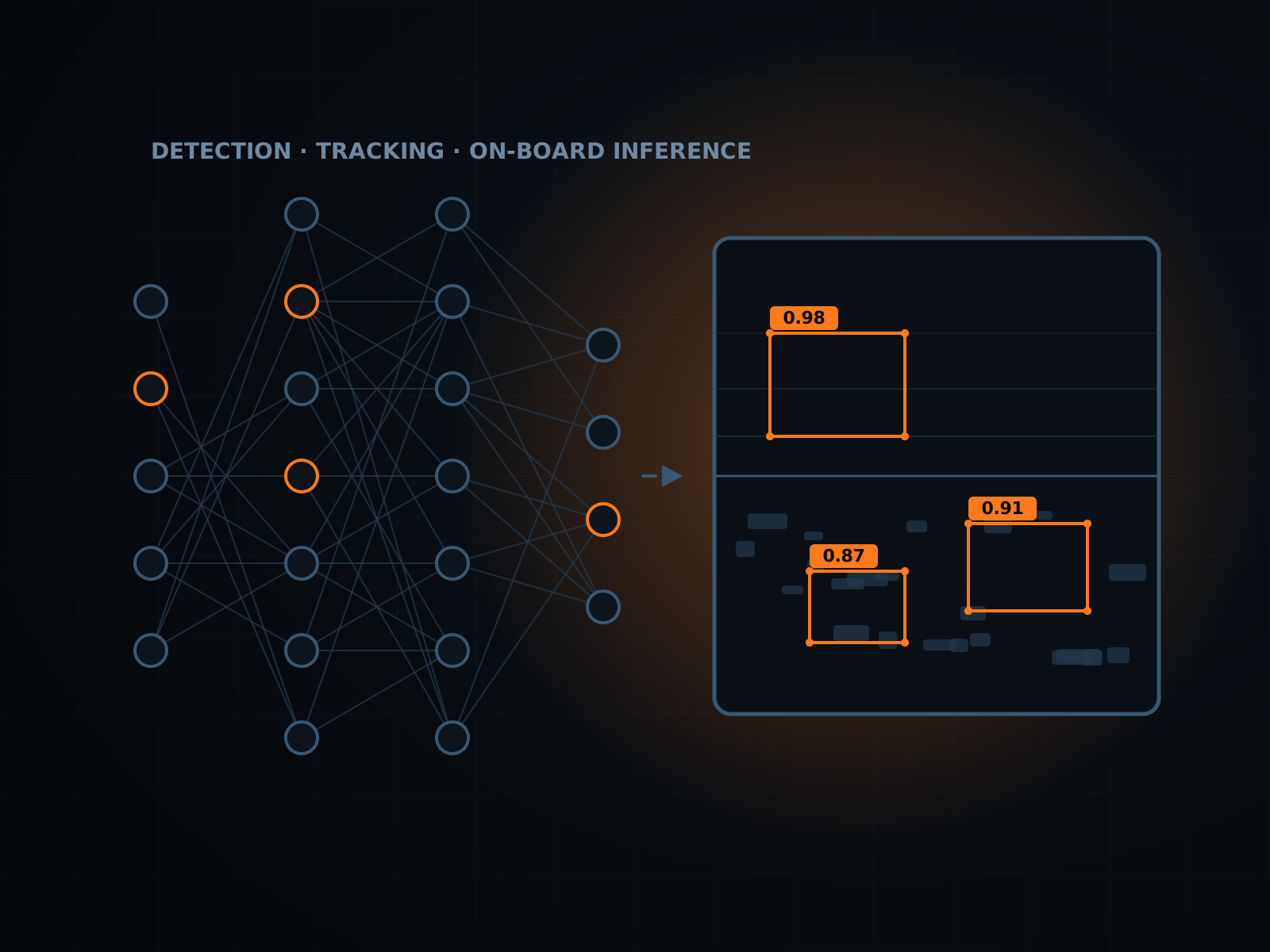
Detection, tracking and classification, trained on your data and made to run inside the power and latency budget you actually have — on board the aircraft where it matters, in the cloud where it does not.
- Detection, tracking and classification for aerial and ground imagery
- Training on your own data, including the labelling pipeline to produce it
- On-board inference on embedded hardware, quantised to fit
- Sensor fusion, geolocation of what was detected, and the confidence that goes with it
- Honest evaluation: precision and recall on your scenes, not on a public benchmark
We will tell you when a classical algorithm beats a model, and when the data you have is not enough yet.
How it works
From the first call to a system you own
Small projects start in weeks. Larger ones start with the study, so that nobody commits to a number nobody can hold.
-
01
Talk
You tell us what it has to do and where. We tell you honestly whether we are the right people for it.
-
02
Scope
A short study: what it takes, what it costs, how long, and the risks worth knowing about first.
-
03
Build
Design and prototype, with something to look at early and regularly rather than at the end.
-
04
Prove
Testing against the figures we agreed — on the bench, then in the field.
-
05
Hand over
Sources, drawings and documentation. Series production, support and improvements if you want them.
Not sure which of these your project is?
Most are more than one. Describe what you want to build and we will work out the rest with you.